
How often people play can reveal more about an online casino than a list of games alone. At Xpokies Casino‚ play frequency is best understood as a behavioural snapshot: a way to think about session habits‚ game preferences‚ and the points at which a player might benefit from taking a break. This article looks at those patterns from an Australian player’s perspective without presenting invented statistics as verified facts. Xpokies’ actual activity figures‚ if published‚ should be checked directly with the casino;
What play frequency can—and cannot—tell you
Play frequency describes how often someone visits or plays‚ rather than how much they wager or whether they win. A player might open a casino once a week for a short session‚ while another might visit daily but play only briefly. Those patterns are not equivalent‚ and neither automatically indicates a problem; Frequency is most useful when viewed alongside session length‚ spending limits‚ and the effect gambling has on someone’s routine.
For a casino‚ aggregated frequency data can help identify popular times‚ games that encourage repeat visits‚ and points where players stop engaging. For an individual‚ tracking visits can provide a practical reality check. It does not predict results: a slot that is played often is not necessarily more likely to pay out‚ and a game’s return-to-player percentage does not promise a particular outcome during one session.
A behaviour snapshot‚ without made-up numbers
There are no independently verified Xpokies play-frequency figures provided here‚ so specific claims such as “most Australian players visit three times a week” would be speculation. Instead‚ players can use a simple snapshot to assess their own habits. Note how often you log in‚ how long each session lasts‚ what you planned to spend‚ and whether you stopped at the time you intended.
- Occasional play: Casino visits are infrequent‚ planned‚ and comfortably within a personal entertainment budget.
- Routine play: Visits happen regularly. It can help to set a schedule and review whether the routine still feels enjoyable.
- Increasing play: Sessions become more frequent or longer than intended‚ or gambling starts displacing other activities. Consider using limits or taking a break.
These are descriptive categories‚ not clinical labels. A change in frequency is a reason to pause and reflect‚ not proof of a diagnosis. The useful question is whether you remain in control of when you play‚ how much you spend‚ and when you stop.
Games and repeat visits
Casino games can shape play patterns in different ways. Slots offer quick rounds and varied themes‚ which can make it easy to continue from one spin to the next. Table games involve different rules and decisions‚ while live-dealer formats may feel closer to a social or hosted experience. Game availability at Xpokies can change‚ so check the casino’s current lobby rather than relying on an old list.
Whatever the format‚ outcomes depend on the game’s rules and random mechanisms. Previous spins or hands do not make a future result “due.” Before playing‚ look for the game information and understand its features‚ including any bonus rounds‚ side bets‚ or maximum stake. If the rules are unclear‚ choose a different game or ask support for clarification.
Frequency is not a measure of skill or success
Frequent players are not guaranteed better results‚ and a long break does not improve the odds of a later spin. A game’s published RTP is a theoretical figure calculated over extensive play; it is not a forecast for an individual session. Volatility describes how results may be distributed‚ not whether a particular player will win. Treat each session as paid entertainment‚ with no expectation that losses will be recovered.
Practical ways to monitor your own habits
A basic log can make patterns easier to notice. Record the date‚ planned session length‚ actual time played‚ and amount deposited or spent. Keep the record factual rather than using it to chase losses or identify a “winning” schedule. Review it weekly or monthly and compare your real behaviour with the limits you set in advance.
- Decide on a spending limit using money left over after essential expenses.
- Set a time limit before opening the casino‚ and use an alarm if helpful.
- Do not borrow money or use funds set aside for bills‚ rent‚ or savings.
- Stop when the limit is reached‚ whether the session is going well or badly.
- Take a break if you feel pressured‚ frustrated‚ or tempted to win back losses.
Where available‚ use account tools such as deposit limits‚ time reminders‚ cooling-off periods‚ or self-exclusion. Check the terms and availability in your account‚ since features can differ by operator. If gambling feels difficult to control‚ speak with someone you trust and contact an appropriate gambling-support service in your state or territory. In Australia‚ Gambling Help Online offers free support at 1800 858 858 and online at gamblinghelponline.org.au.
Australian considerations: payments‚ time zones‚ and holidays
For Australian players‚ a casino visit may involve payment processing‚ identity checks‚ and account verification as well as gameplay. Withdrawal timing can vary with the payment method‚ the operator’s processing queue‚ bank procedures‚ weekends‚ and public holidays. The phrase how local holidays can affect withdrawal speed is worth keeping in mind: a bank holiday or reduced staffing period may delay a step in the process‚ but it does not establish a specific processing time for Xpokies. Check the current cashier information and withdrawal terms‚ and contact support if a payment exceeds the stated timeframe.
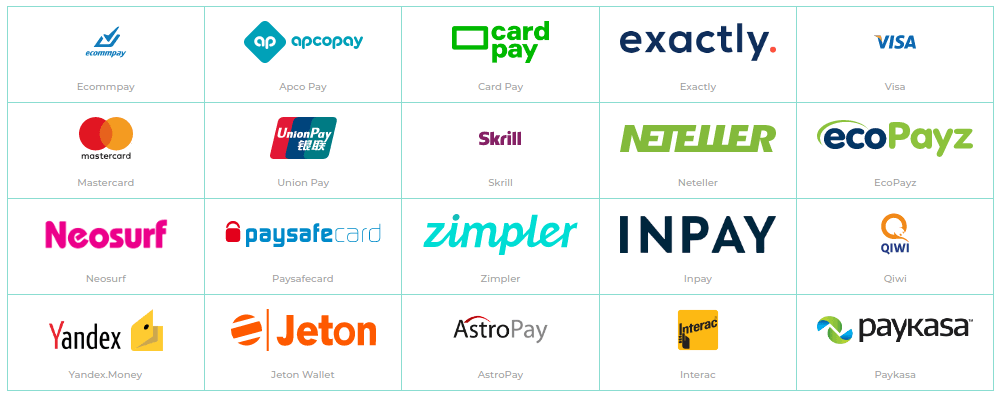
Before depositing‚ confirm which payment options are available to you‚ whether fees or currency conversion apply‚ and what verification documents may be requested. Use payment methods in your own name and submit accurate account details. A pending withdrawal is not a reason to keep gambling‚ and it is sensible to wait for the payment rather than treating the balance as available funds.
Australian rules on online gambling and consumer protections can differ from those in other countries. Players should check applicable local requirements and consider whether the operator is permitted to offer its services to them. A website being accessible does not‚ by itself‚ confirm that it is licensed or suitable for every Australian jurisdiction.
Questions and answers
Does Xpokies publish verified play-frequency statistics?
Only rely on figures that Xpokies itself publishes and explains‚ or on transparent independent research. This article does not claim access to the casino’s internal player data. Marketing statements should not be treated as audited statistics unless their source and method are clear.
Can playing more often improve my chance of winning?
No. More rounds create more opportunities for outcomes‚ but they also mean more exposure to the game’s house edge. Frequency does not make a random result more favourable or guarantee a profit.
How can I tell whether my play is becoming too frequent?
Look for changes that concern you: playing longer than planned‚ increasing deposits‚ hiding activity‚ neglecting responsibilities‚ or feeling restless when not gambling; If any of these apply‚ take a break and seek confidential support.
What should I check before making a withdrawal?
Review the minimum and maximum withdrawal amounts‚ processing stages‚ payment method rules‚ verification requirements‚ and any applicable fees. Keep confirmation messages‚ and ask support for a status update if the published timeframe has passed.
Play frequency is useful when it helps Australian players understand their routines and make deliberate choices. It is not a score to increase‚ a sign of expertise‚ or a reliable predictor of casino performance. Because verified Xpokies activity data is not established here‚ the safest approach is to assess your own behaviour‚ check the operator’s current terms‚ and set firm limits before playing.
Keep gambling occasional and affordable‚ and step away whenever it stops feeling like entertainment. If you are worried about your habits‚ support is available; you do not need to wait for a crisis to ask for help.